
 By Treavor English
What happened
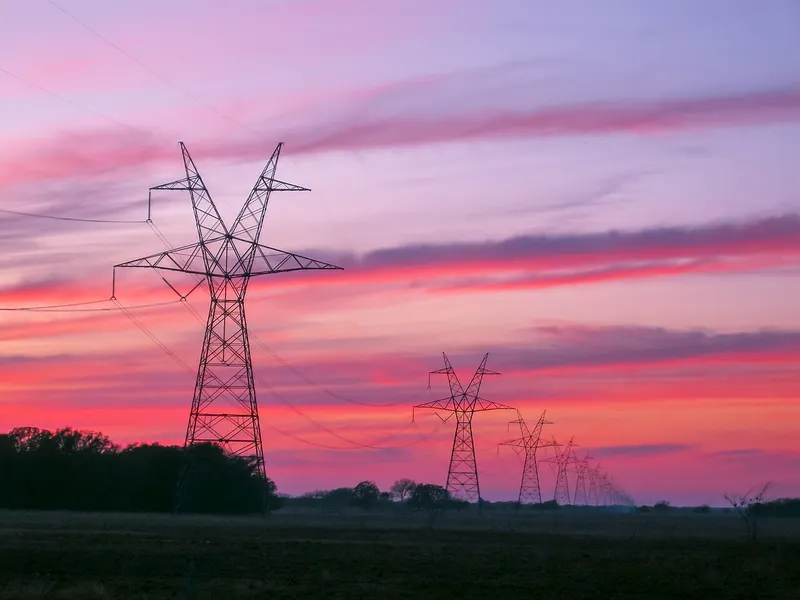
A data center needs more electricity. The expensive question is who pays for the equipment required to supply it: the new business, the other customers sharing the system, or some combination set by the rules.
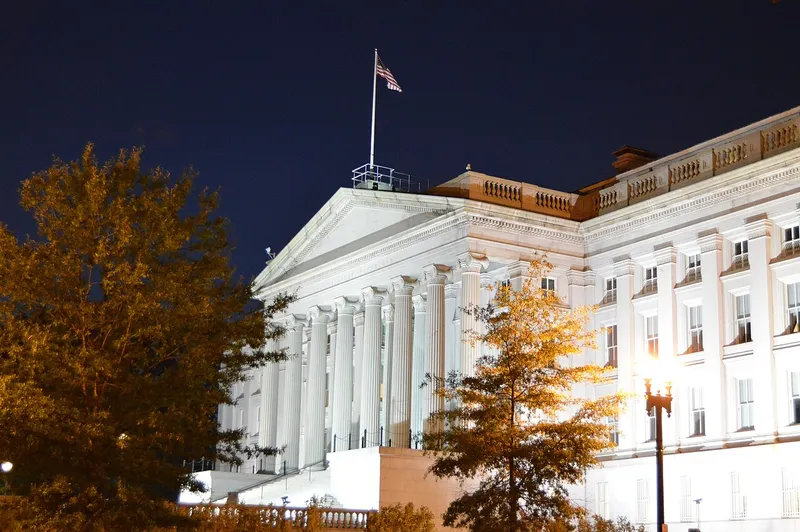
That is the household stake behind a September 30 Senate vote on H.R. 9340, the Ratepayer Protection Act. Senators voted 57–43 on an attempt to advance it.
The motion failed, leaving no new law from that vote and no demonstrated saving on a customer’s bill.
The vote before taking up the bill
The official record says cloture was not invoked on the motion to proceed. Cloture is the procedure for limiting debate so the Senate can move ahead. Here, senators were dealing with whether to take up the legislation.
Republican sponsor Jon Husted of Ohio argues that the bill would help prevent families and small businesses from bearing infrastructure costs for large new electricity users. It would require states to consider standards for connecting those customers, including data centers.
The word that leaves the bill unresolved
Consider is doing important work in this proposal. Requiring a regulator to examine a standard is different from requiring it to adopt a specified protection. What happens after the examination determines what the new customer must actually pay.
Nevada Democrat Catherine Cortez Masto argues that a voluntary framework is too weak. She supports the competing GRID Savings Act, which she says would require large users to cover facilities needed to connect them. Her objection concerns what would be compulsory.
Both arguments invoke protection for households. Their difference is in the proposed mechanism: a requirement to consider standards or an obligation to make the large user pay the specified costs. The language of the protection determines whether the promise can be enforced.
Who carries the risk if the plan changes?
Infrastructure decisions can be built around expected demand. The proposed protections therefore need to address what happens if a major user’s project changes or fails to materialize. The equipment cost does not disappear because the business plan changed.
No abandoned project or cost estimate is established here. The proposals still need to address who pays if demand behind an infrastructure investment fails to materialize.
The September 30 vote cannot tell an individual what their next payment will be. That requires the relevant project, utility rates and local decisions. A national legislative dispute can explain the choice being debated without pretending to calculate every customer’s outcome.
The account here is a dated explanation of the vote and the positions reviewed through October 20. Any later legislative outcome needs verification and a separate update. It should not be inferred from the sponsors’ descriptions of what their proposals would accomplish.
The September 30 vote created no new protection. Who pays for a large user’s connection still turns on enforceable cost rules.
Sources & reporting notes
- September 30 floor record
U.S. Senate · September 30, 2026
Reporting note
The type of motion, the 57–43 tally, and the failure to invoke cloture.
“Not invoked, 57-43”
Entry for H.R. 9340
- The sponsor’s explanation
Sen. Jon Husted · September 30, 2026
Reporting note
Husted’s argument for advancing the bill and his description of the proposed state process.
“would require states to consider establishing standards”
Opening description of the legislation
- Why she opposed the measure
Sen. Catherine Cortez Masto · September 30, 2026
Reporting note
Her criticism of the proposed framework and her preferred alternative.
“voluntary, ineffective language”
Statement explaining her vote
- US Senate blocks bill to address data center costs
Reuters · Richard Cowan and Nichola Groom; hosted by AOL · September 30, 2026
Reporting note
Linked independent coverage; syndication is attributed to the originating newsroom. Preview does not claim fresh independent confirmation beyond the dated report.
Dated report at linked publisher
- Voluntary ratepayer protection bill blocked in Senate again
CQ Roll Call · Kelly Livingston · September 30, 2026
Reporting note
Linked independent coverage; syndication is attributed to the originating newsroom. Preview does not claim fresh independent confirmation beyond the dated report.
Dated report at linked publisher
AI assisted with research, drafting and editing. Read our ethics & AI-use policy.
Story details
- Event
- September 30, 2026
- Published
- October 20, 2026 at 12:00 AM EDT
- Sources checked
- Oct 20, 2026
- Updated
- October 21, 2026 at 12:00 AM EDT
The vote, explained
Senate advance failed on Sept. 30
The number: 57–43 · Cloture was not invoked. This was a procedural vote, not final passage.
How this story was made
Prepared from the linked public records and attributed reporting, with AI assistance in research, drafting and editing. Hardcore News did not conduct interviews or field reporting for this article. The source-check date and original event date are retained.
This story is part of the AI-assisted pilot edition. Read the pilot disclosure.
Corrections and updates
- 2026-10-20 Reworked the headline and explanation in the owner’s Hardcore News voice; expanded context, mechanisms and practical consequences, with source links preserved and supplemented. Original event and publication dates retained.
- 2026-10-20 Readability revision: shortened and clarified the explanation, consolidated repeated caveats, and added a practical Bottom line. Headlines, figures, quotations, original publication dates and source links preserved.
- 2026-10-21 Editorial revision: published the recovered rewrite, revised headline and summary, clarified numerical examples, and removed repetitive framing. Source records and original publication date retained.
- 2026-10-21 Editorial repair: removed repeated explanations and unnecessary framing so the reporting advances. Preserved the remaining factual claims, source records, material qualifications and original publication date. This copy edit does not claim new reporting or independent verification.
Comments
No comments yet.